
The Former Athlete Belly: Why It Shows Up at 35 (And Why Your Metabolism Isn’t to Blame)
You remember what you looked like at 22.
Lean. Strong. Athletic without really trying. You trained with the club three or four nights a week, played matches at the weekend, walked everywhere. Your body just worked.
Now you’re 38. Maybe 42. You’re still training – maybe three sessions a week in a gym. And yet the midsection weight crept in anyway. Slowly. Quietly. Until one day you caught a photo and didn’t recognise yourself.
You haven’t lost your discipline. You’ve lost your movement buffer.
Why Former Athletes Gain Belly Fat After 35
At 21, you were moving 15+ hours a week without thinking about it. That gave your body an enormous margin for error. You could eat whatever you wanted because the output was so high it didn’t matter.
Now you’re sitting at a desk for 9 hours a day. The output collapsed. But the eating habits stayed roughly the same.
Does metabolism slow down? Slightly. You lose a small amount of muscle mass each year after 30 and hormonal changes play a minor role. But we’re talking maybe 100–200 calories a day across a decade. That’s a banana and a half.
The real gap is the 10–12 hours of weekly movement you lost when you stopped competing. That’s thousands of calories of output – gone. And no amount of effort in three gym sessions a week closes that gap without structure.
The Grey Zone
Most former athletes I work with aren’t lazy. They’re actually training hard. But they’re training in what I call the grey zone – hard enough to feel tired, but not structured enough to build muscle or shift body composition.
They smash themselves on Monday to “make up for the weekend.” They do random sessions with no progression. They red-line every workout on five hours of sleep and wonder why nothing changes.
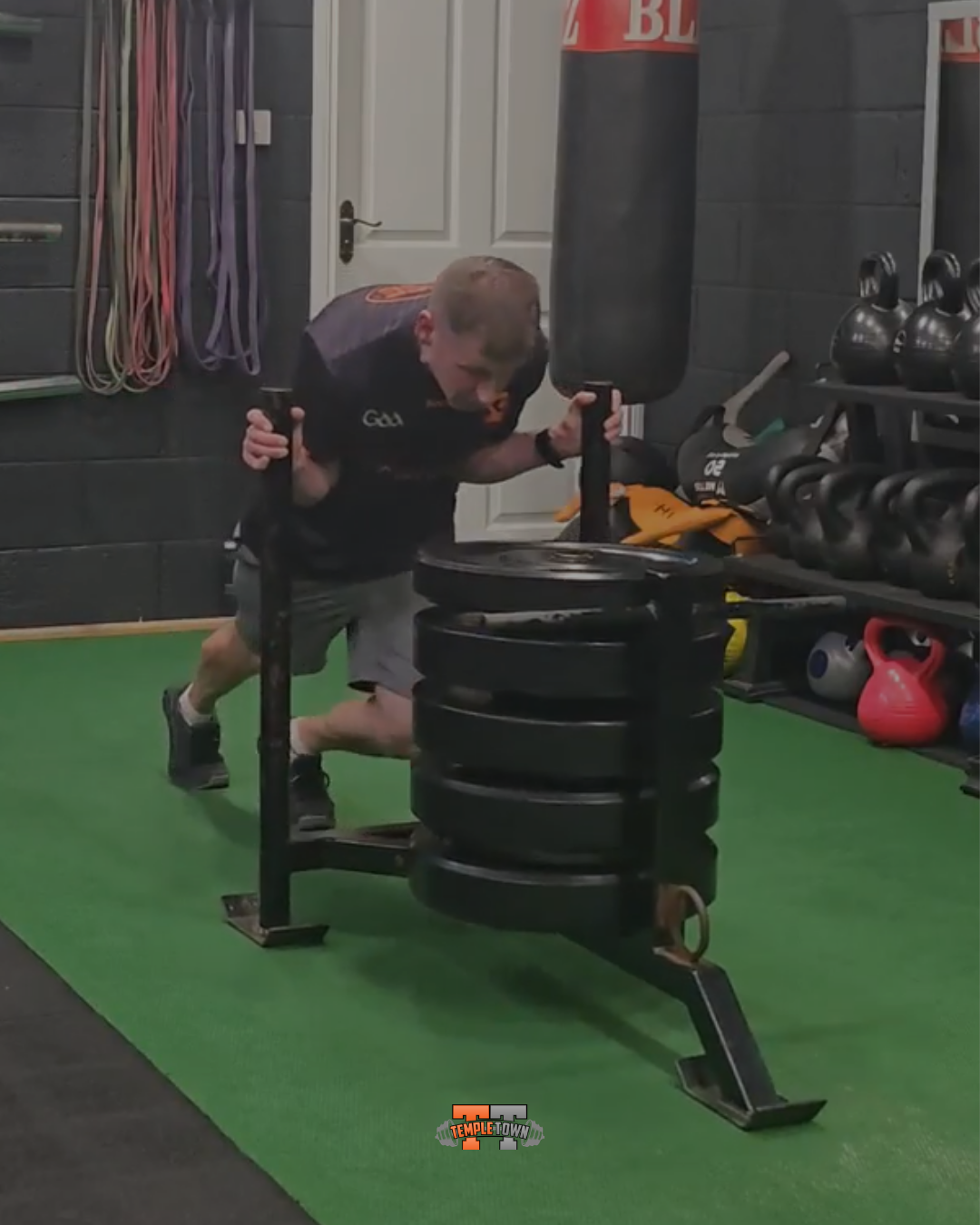
The effort is there. The system isn’t. I see this pattern every week – in men and women, from their mid-thirties to late forties.
I had a woman in here last year who played camogie through her twenties, two kids now, still getting to the gym three mornings a week.
Working harder than most people in any commercial gym. Still stuck. Because the effort was there. The structure wasn’t. The frustration is identical.
The Monday Penance
This one is cultural. In Ireland especially, we have a built-in punishment mindset. Big weekend? Monday becomes penance. Skip breakfast. Extra cardio. Punish yourself into balance.
It doesn’t work.
All it does is leave you under-fuelled and under-recovered by Wednesday, which crashes your energy, which leads to poor eating by Thursday, which sets up the exact same weekend again.
The people I coach who actually shift the belly? The first thing we fix is Monday. Not with a special protocol. Just by treating it as a normal day. No drama. No compensation. Structure.
How that works in practice – and why it changes everything – is part of the coaching.
The Recovery Gap Nobody Talks About
At 22, you could train hard on Tuesday and go out on Saturday and feel fine by Monday.
At 40, that same weekend wipes out your training week. Not because you’re soft – because your recovery system has changed. Sleep is lighter. Stress is higher. Your body takes longer to reset. And when it stays in that stressed state, fat storage increases – particularly around the midsection.
This isn’t the only factor. But it’s the one most people completely ignore. And if your training programme doesn’t account for the 40-year-old recovery window, you’re not building fitness. You’re accumulating fatigue.
The Fix Isn’t What You Think
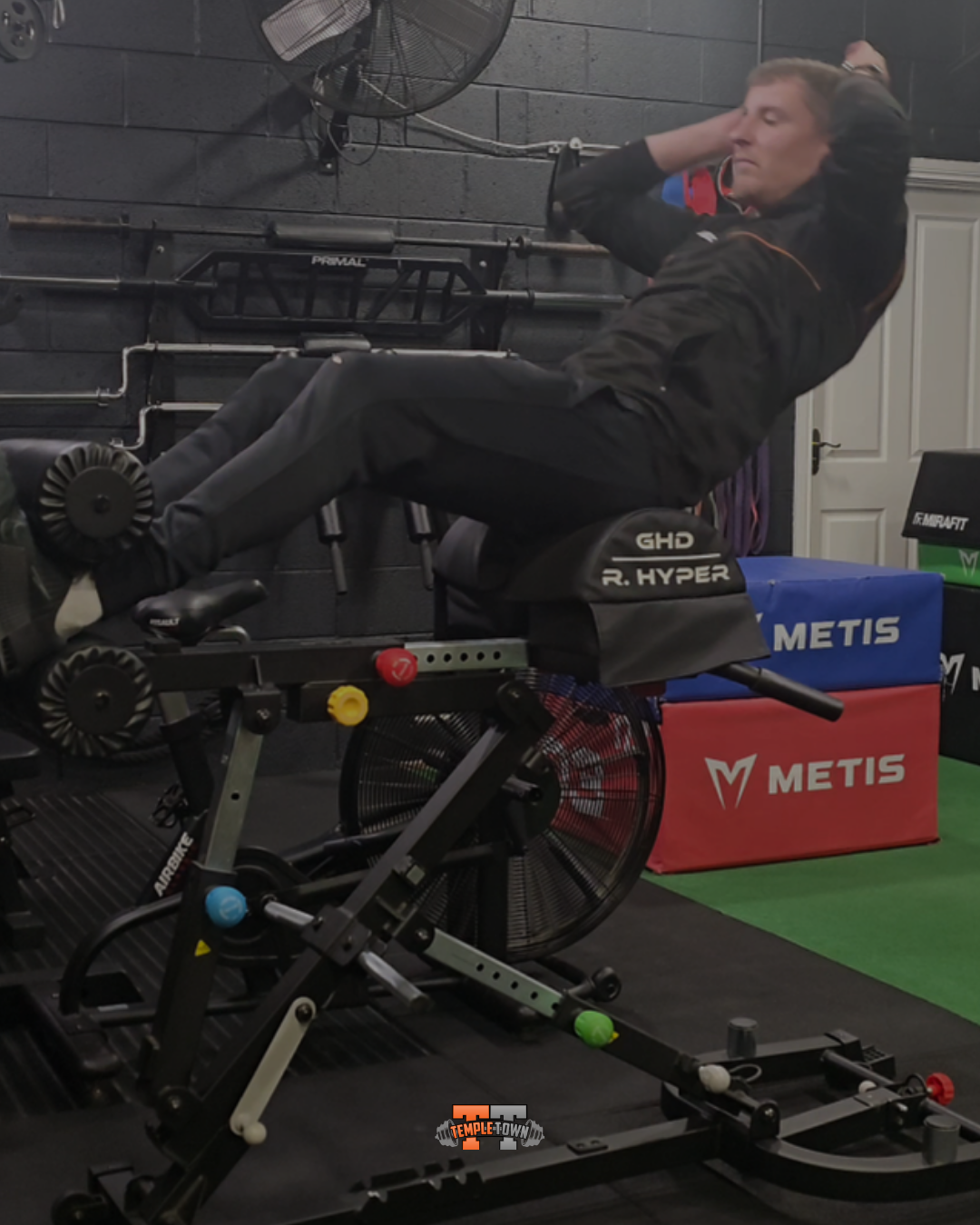
The answer isn’t more cardio. It’s not crunches. It’s not a six-week challenge.
It’s a structured strength rebuild – designed for the way you actually live now, not the way you trained at 22.
I won’t lay out the full framework here because the detail is what the programme delivers. But every person I coach through this follows the same core principles: prioritise protein, lift heavy compounds with progressive overload, programme recovery weeks, and stop the weekly cycle of punishment and compensation.
The people who follow this system see visible change within 12 weeks. Not because they worked harder – because they finally had a structure that matched their life.
The March 12-Week Rebuild
I’m opening the next intake for private coaching. Structured programming, weekly reviews, direct access to me as your coach.
I coach each person directly so I cap numbers. It’s application only. Not everyone is a fit and I’ll tell you either way.
DM me the word “BELLY” on Instagram.
Or apply directly at templetownstrength.com.
You didn’t lose your discipline… you lost your system.
You didn’t break – the environment changed. Let’s rebuild it!💯
Paul Hughes
Templetown Strength & Conditioning, Carlingford