
You’re Making It To The Gym. So Why Does It Feel Like You’re Getting Nowhere?
You’ve squeezed a workout between work and collecting the kids.
You arrive. Have a look around. Do a few exercises you remember.
Something for the chest. Something for the arms. A bit on the bike until you’re sufficiently sorry you came.
You leave sweaty.
But a few weeks later you’re wondering whether anything is actually changing.
When you’ve limited time to train that’s frustrating. You’re making the effort. You want to know it’s taking you somewhere.
Before adding another workout look at how you’re using the sessions you already have.
Give The Session A Job
“Go to the gym” gets you through the door.
It doesn’t tell you what to do once you’re inside.
If your goal is to build strength your programme should give you exercises to practise, a manageable amount of work and a way to track it.
You should know:
• What you’re doing • How many sets and reps you’re aiming for • What to record • How to decide whether to progress or adjust
That removes a lot of the guesswork before you’ve even picked up a weight.
Keep Enough Consistency To See Progress
There’s nothing wrong with enjoying variety.
But replacing every exercise every week makes comparisons difficult.
Was that session better than the last one? Hard to tell when they had nothing in common.
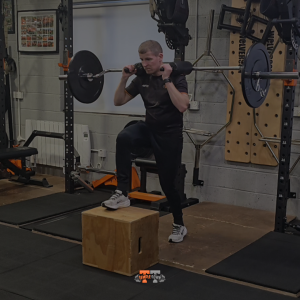
Keep some familiar exercises in your plan long enough to practise them and review how you’re doing.
That doesn’t mean keeping everything identical forever. It means making changes for a reason.
The workout you saw online might be useful. You don’t have to abandon your own programme every time someone posts one.
Write Down What You Actually Did
Your memory is already looking after school dates, work jobs and whether there’s milk in the fridge.
It doesn’t need responsibility for last Tuesday’s dumbbell weight.
Record your exercises, weights and reps. Add a short note if something was particularly easy, difficult or needed adjusting.
For example:
“Dumbbell press: same weight as last week. One extra rep on the first set. Controlled throughout.”
That gives you something concrete to compare.
One session won’t tell the whole story. A record across several weeks is much more useful than trying to remember whether you felt knackered afterwards.
Stop Making Every Session An Exam
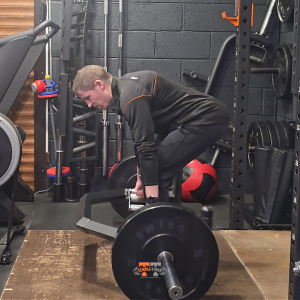
You don’t need to prove your strength every time you train.
There’s room for sessions where you practise, repeat familiar work and finish with something left in the tank.
Especially when you’re returning after time away from sport.
Your old playing days can give you plenty of enthusiasm. They don’t automatically tell you what’s appropriate today.
Choose a starting point you can manage. Build from there rather than trying to settle the last ten years in one evening.
Your twenties aren’t coming back by Thursday.
Check What’s Happening Outside The Gym Too
Training is one part of your week.
Notice whether food, sleep and stress are making the routine harder to manage.
Are you turning up hungry because lunch never happened? Are late sessions constantly clashing with bedtime? Have you planned five workouts for a week that realistically holds two?
Those details help you decide what to adjust.
Sometimes the useful change is a clearer workout. Sometimes it’s an earlier session or an easy dinner ready afterwards.
Build the routine around your actual circumstances.
What Coaching Adds
A list of exercises is easy to find.
The useful part is knowing how to apply it to you.
Which version suits your starting point? Is the weight appropriate? When should something change? What happens when work gets busy?
That’s what we work through in the 12-Week Rebuild.
You get structured training built around your time and equipment, practical nutrition guidance and weekly check-ins.
We review what’s happening and adjust the plan when needed.
You bring the effort. I help you give it direction.
Message REBUILD on WhatsApp at 089 421 6156 to chat about whether the programme suits you.