
5 Mistakes Keeping Former Athletes Stuck After 35
After coaching a lot of former athletes through the same pattern, the same 5 mistakes come up almost every time.
Nobody’s doing anything dramatically wrong.
That’s the frustrating part.
These are small things that compound over time until the body just stops responding.
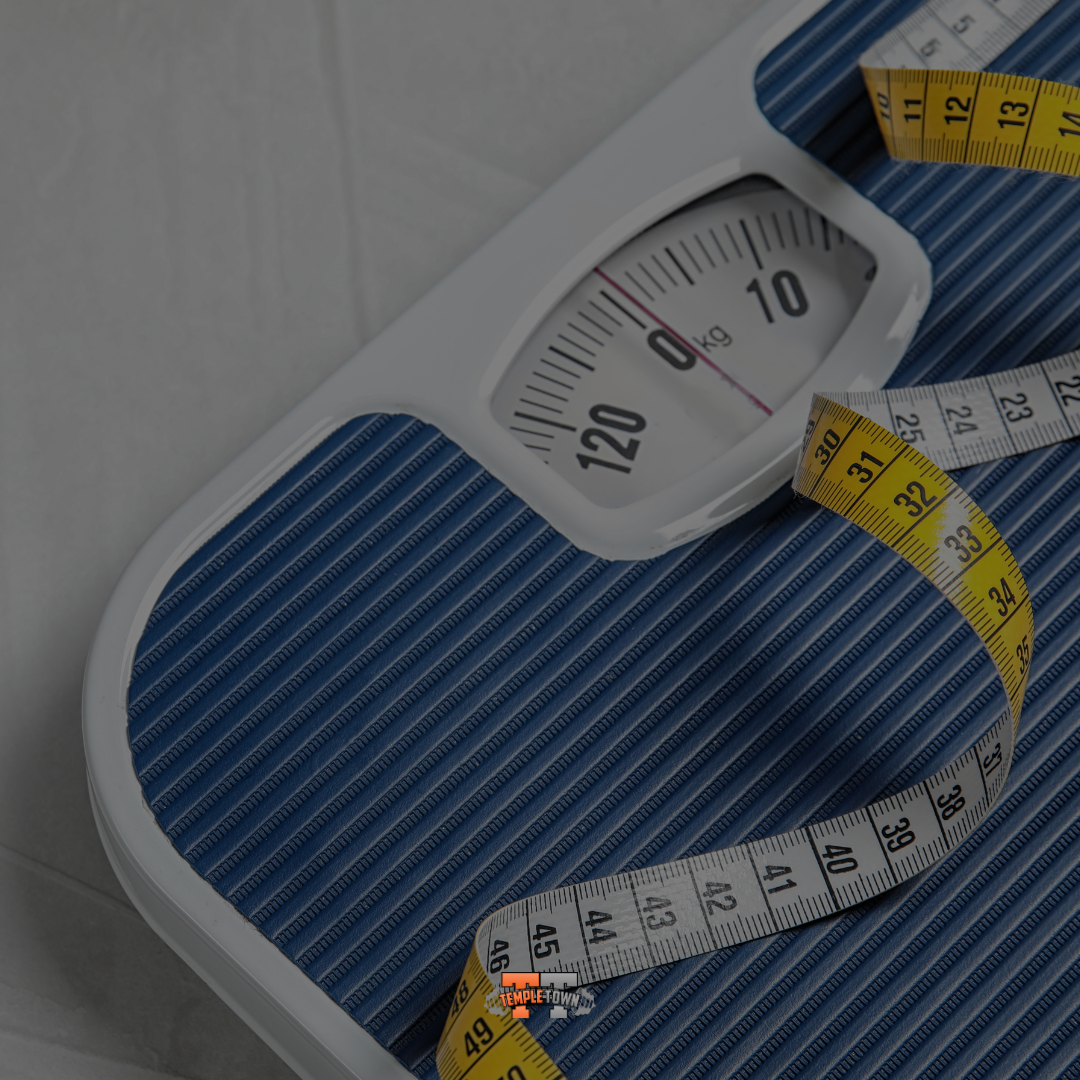
Mistake 1: Measuring progress with the scales
The scales can’t see body recomposition.
I lost 1.9 kg of fat and gained muscle in 8 weeks – the scales said I lost 0.6 kg. If that was my only metric, I would have quit.
Better markers: waist measurement, how your clothes fit, how you look, how you perform and how you recover.
If any of those are improving, you’re progressing – regardless of what the scales say.
Mistake 2: Under-eating protein by about half
The target for most adults is 1.6 to 2 grams per kilo of bodyweight.
For most former athletes that’s somewhere between 110 and 180 grams a day depending on your size. Most people are eating 60 to 100 when they start.
That gap is why the soreness compounds, the niggles stick around and the body never changes. Protein is repair material. Without enough of it, the training creates damage that never fully repairs. You’re asking for a rebuild without providing the raw materials.
If you fix nothing else, fix this first.
Mistake 3: Training with intensity but no structure
Most former athletes have no shortage of effort.
The problem is that effort is being applied to random sessions with no progression, no recovery plan and no direction.
Effort without structure isn’t training. It’s just organised damage.
The people who actually change train inside a system that knows when to push and when to pull back.
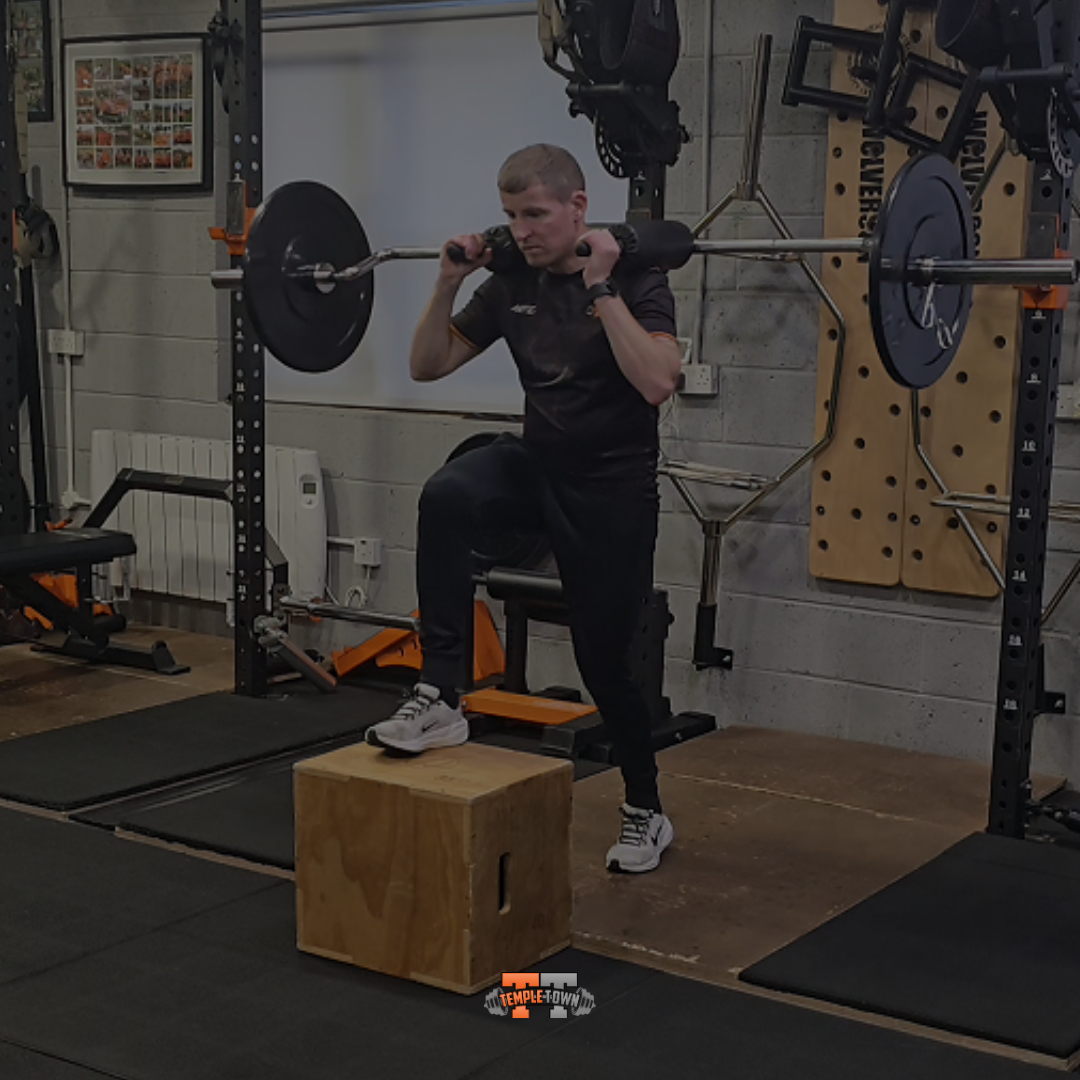
Mistake 4: Skipping warm-ups
This is the one that nearly ended my career.
January 2016. No warm-up. Heavy rows.
Three bulging discs. I was 28.
Every client I coach now does five minutes of structured warm-up before every session. Hip openers, glute activation and thoracic mobility. People who’ve carried niggles for years often come back after a few weeks saying training feels completely different.
Five minutes. Every session. Non-negotiable.
Mistake 5: Treating recovery like laziness
Most former athletes were taught that a good session is a brutal session.
That worked at 22. It does not work at 38. Recovery is where adaptation happens.
Three to four sessions you can actually come back from will beat five that wreck you every time.
The session is only useful if you can do the next one.
Listen to the full podcast episode:
🎧 Episode 35: 5 Mistakes Keeping Former Athletes Stuck After 35
Live NOW! Listen here:
Where To Start?
None of these mistakes are dramatic.
That’s why they’re easy to miss.
But they compound until the body stops reflecting the effort.
DM me REBUILD on Instagram for the application.
Paul Hughes – Templetown Strength & Conditioning, Carlingford